Barndominiums — often called barndos — have quickly become one of Missouri’s most exciting home trends. Combining the rustic charm of traditional barn structures with modern living spaces, barndos offer a unique blend of flexibility, affordability, and style. But before you dive into plans and blueprints, there are several important factors every Missouri homeowner should understand. Knowing what to expect — from design and construction to permits and long-term maintenance — ensures your barndo project is both successful and fulfilling.
Whether you’re considering a barndo as your forever home, a weekend retreat, or a multi-functional space that doubles as a shop or storage area, this guide will help you prepare for the journey ahead.
Understand the Appeal of Barndos
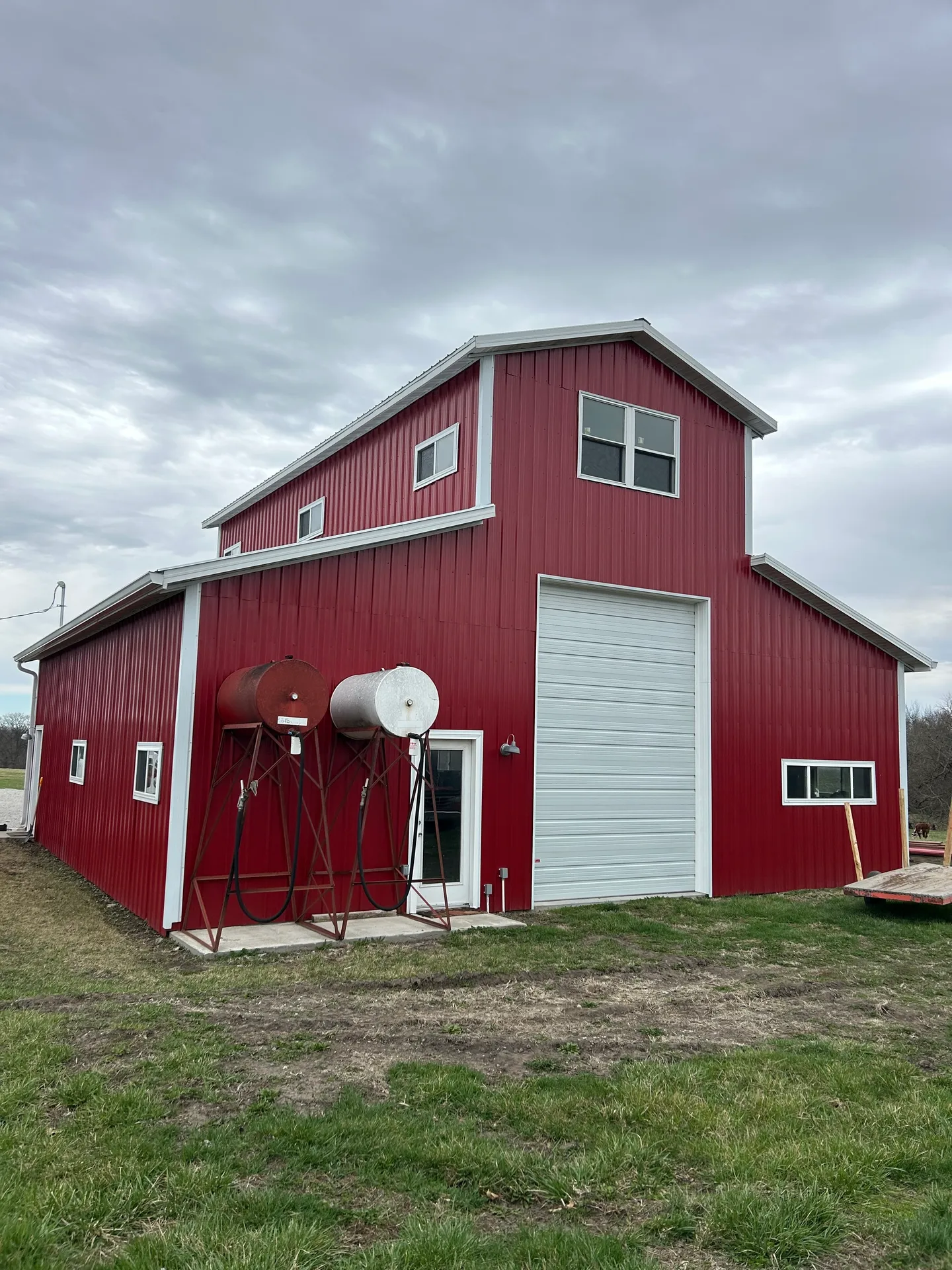
Barndos are more than just a housing trend — they’re a response to evolving homeowner needs. Unlike traditional homes, which often separate living areas from storage and workspace, barndos are built with open interior layouts that can be adapted to a range of uses. Whether you want spacious living quarters, workshop areas, storage for equipment, or large vehicle bays, barndo designs can accommodate it.
In Missouri, where homeowners often value practicality and space, this flexibility has driven widespread interest. Barndos can be both comfortable residences and functional workspaces without the need for separate structures.
Post-Frame Construction: What It Means
At the heart of most barndo builds is post-frame construction — a building method that differs from traditional stick-built homes. Instead of relying on load-bearing walls and complex framing, post-frame buildings use strong vertical posts buried into the ground or attached to a slab to support the roof and wall systems. This approach creates wide-open interior spaces with fewer support walls, making it ideal for flexible floor plans.
For homeowners, this construction style offers several benefits: faster build times, reduced material costs, and easier future modifications. Knowing how post-frame construction works helps you understand both the potential and limitations of your barndo design.
Define Your Goals Early
Before you begin designing, take time to clarify what you want from your barndo. Are you building it primarily as a residence, or do you need a combination of living space and storage? Will you have vehicles, boats, or large equipment inside? Do you plan to include a workshop or hobby area?
Your goals will influence everything from the size and layout to your choice of finishes and mechanical systems. For example, if you want climate-controlled living quarters, you’ll need insulation, HVAC systems, and interior walls. If your focus is storage or workshop space, ceiling heights and door sizes become key considerations.
Permits and Local Building Codes
Building a barndo in Missouri requires obtaining the proper permits and complying with local building codes. These rules vary by county and city, and they cover everything from structural design standards to setbacks, drainage, and utility connections. Some areas also have specific requirements for residential versus non-residential structures.
Partnering with a local builder who understands Missouri’s permitting processes can streamline this phase and reduce delays. Your builder should handle permit applications, communicate with inspectors, and ensure your project meets all regulatory standards.
Site Preparation Matters
Every successful barndo starts with a properly prepared site. This involves clearing vegetation, grading the land, and ensuring proper drainage away from the foundation. Good site prep prevents water problems, foundation settling, and future maintenance headaches.
Soil conditions also play a part. Some areas may require additional stabilization or gravel pads for post anchors. Understanding your property’s specific characteristics helps your builder plan accordingly and avoid unexpected challenges during construction.
Material Choices and Durability
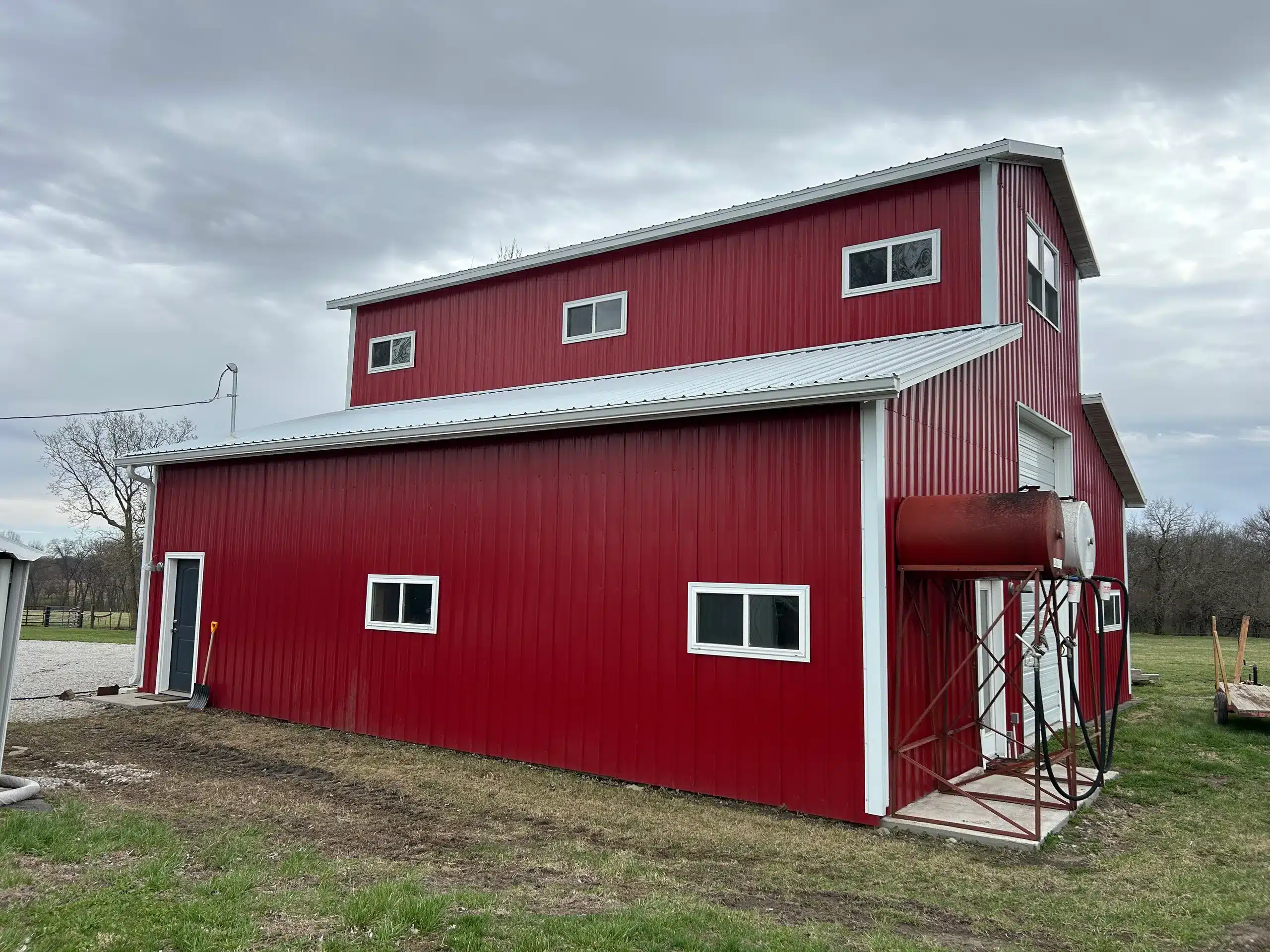
While barndos often feature metal exterior panels, the quality and type of materials you choose will influence the structure’s performance and appearance. Higher-gauge metal roofing and siding, quality insulation products, and durable interior finishes add to both comfort and longevity.
In Missouri’s climate — with its hot, humid summers and cold winters — choosing materials suited to weather extremes is important. For example, proper insulation helps regulate indoor temperatures and improves energy efficiency, while sealed roof systems prevent moisture infiltration over time.
Plan for Energy Efficiency and Comfort
Barndos are open by nature, but comfort depends on insulation, climate control, and thoughtful design. If your barndo will be a full-time residence, consider insulation systems that address walls, ceilings, and floors. High-efficiency HVAC systems, proper ventilation, and quality windows add to year-round comfort.
These investments may increase upfront costs, but they pay off through reduced energy bills and a more comfortable living environment. They also contribute to long-term resale value, as energy efficiency is a growing priority for homebuyers.
Interior Layout and Functionality
One of the biggest advantages of barndo living is that you can design interiors to match your lifestyle. Whether you want open, great-room spaces or defined rooms for bedrooms, offices, and bathrooms, thoughtful planning pays dividends.
Consider how traffic flows through your space, where light sources will be most effective, and how storage needs will be met. Built-in cabinets, loft areas, and strategic shelving can maximize usable space without cluttering the main living area.
Budget Wisely With Long-Term Value in Mind
Cost is always a factor, and building a barndo requires balancing upfront expenses with long-term value. Custom features, finishes, and high-end materials increase comfort and aesthetics, but they should be weighed against how you plan to use the building.
Work with your builder to create a budget that accounts for essentials first — structural components, insulation, roofing, and mechanical systems — and then prioritize upgrades that add daily comfort and long-term appeal.
Working With a Trusted Builder
Perhaps the most important step before building a barndo is choosing the right partner. A trusted builder brings expertise in barndo design, local building codes, material selection, and construction sequencing. They guide you through decisions, communicate clearly, and ensure your project stays on track.
At HD Homes, we specialize in custom barndo construction tailored to Missouri homeowners. From initial planning and design to final build and finishing touches, our team focuses on quality, functionality, and your satisfaction.
Building a barndo is a significant investment and a unique opportunity to create a space that reflects your needs and lifestyle. By understanding these key considerations — and partnering with an experienced builder — you’re well-positioned for a successful and rewarding project.
Click Here to Learn More About Our Missouri Custom Barndominiums